
The New Brand Moat: How to Get Cited by LLMs as a Trusted Source
June 6, 2026
 By Hammad Ali
For years, brands have asked one question about search:
“Do we rank on Google?”
It is no longer enough. Customers are now asking ChatGPT, Gemini, Perplexity, Copilot, Claude, and Google AI Mode questions like:
“Which company should I use for this?”
“Is this brand trustworthy?”
“What are the best alternatives?”
“What do real users say?”
“Which provider has the most credible reputation?”
In many cases, the answer is not a list of ten blue links. It is a generated recommendation, summary, comparison, or shortlist. That answer may cite sources. It may mention your brand. It may recommend a competitor. It may also ignore you completely.
The new question is not only “Where do we rank?” It is “Which sources do LLMs trust when they decide what to say about us?”
Which websites are LLMs citing?
AI systems cite a mix of community platforms, encyclopedic sources, video platforms, review platforms, professional networks, maps, and authoritative publisher sites.
Publicly reported Statista data listed Reddit as the most-cited source in LLM-related searches, followed by Wikipedia, YouTube, Google, Yelp, Facebook and Amazon.
That ranking should not be treated as a universal law. It should be treated as a signal. LLMs are not only looking at your website. They are pulling from the broader web of public evidence around your brand.
Top 5 layers of AI visibility
1. Reddit: the public conversation layer
Reddit has become one of the most important platforms for AI visibility because it captures something most brand websites do not: real user language.
People go to Reddit to ask messy, specific, honest questions. They compare products. They complain. They recommend. They describe edge cases. They explain what worked and what did not.
That type of content is useful to AI systems because it reflects how people actually talk about products and decisions.
This importance is not theoretical. OpenAI announced a partnership with Reddit that gives OpenAI access to Reddit’s Data API, which OpenAI said provides real-time, structured, and unique Reddit content for ChatGPT and other products
For brands, the lesson is not “go spam Reddit.” That is the fastest way to lose trust.
The right Reddit strategy is:
- Listen before posting
- Understand each subreddit’s rules
- Answer questions transparently, i.e. disclose when you are part of a company
- Avoid fake accounts and astroturfing
- Correct misinformation politely
2. LinkedIn: the professional authority layer
For B2B brands, LinkedIn matters because it is where professional identity, company positioning, and executive thought leadership often live.
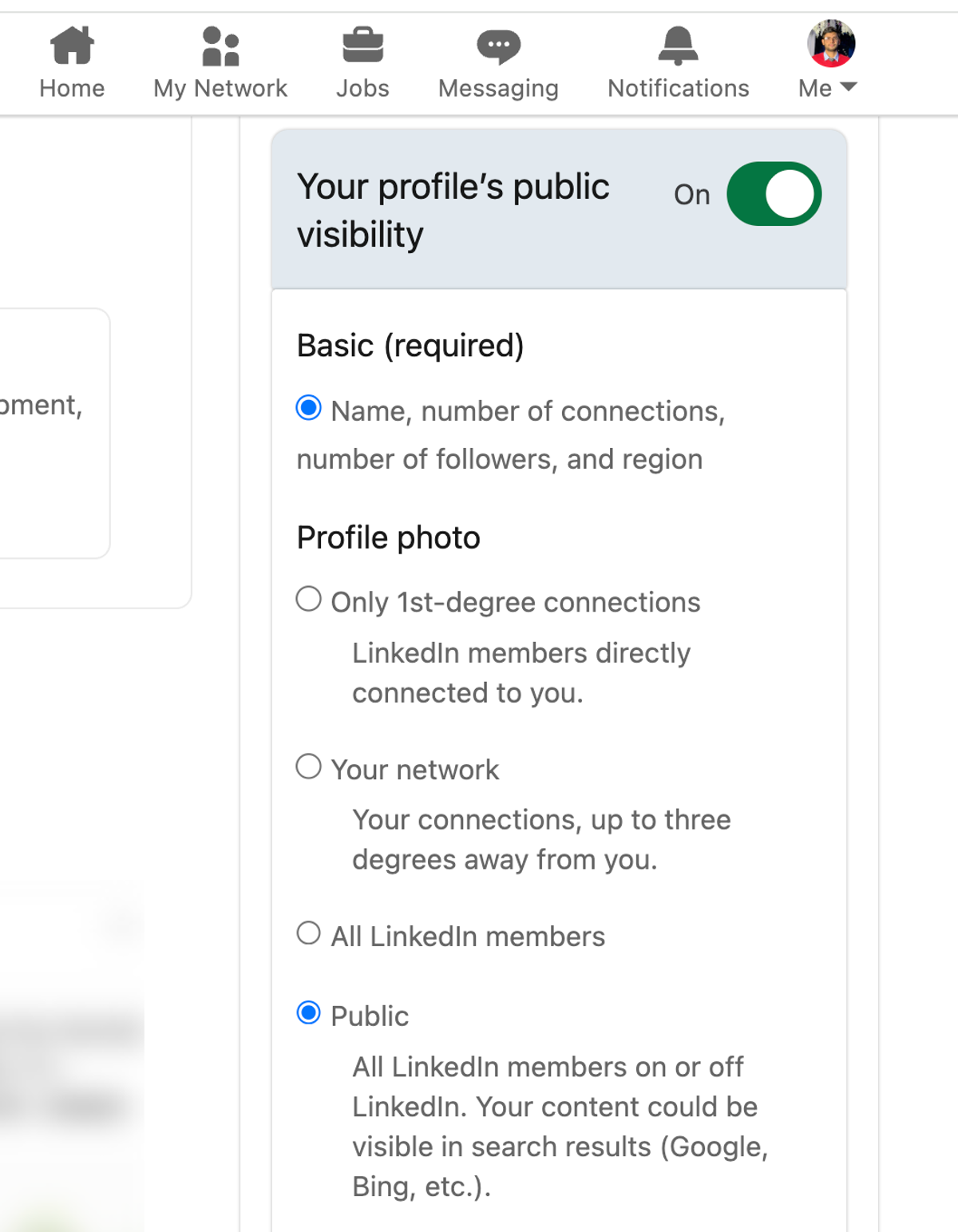
LinkedIn’s own help documentation explains that public profiles can be visible to search engines when public visibility is turned on. LinkedIn also says newsletters can be discovered, read, and shared by anyone, not only by direct connections.
That matters for GEO because public professional content can help AI systems understand who works at a company, what the leadership team believes, what category the company belongs to, and what expertise it has.
So, make sure that your profile is set to public in their profile settings:
3. YouTube: the explainability layer
YouTube is important because video is one of the clearest ways to explain a product, demonstrate a workflow, answer objections, or compare alternatives.
It is also increasingly machine-readable. YouTube allows viewers to access transcripts for videos that have captions, which means a video can become a searchable, readable source of information for LLM.
For brands, this changes how video should be created.
A demo video should not only look good. It should clearly (and verbally so its part of the caption) say:
- What the product does
- Who it is for
- What problem does it solve
- How it compares with alternatives
- What use cases it supports
If a transcript is vague, the machine-readable version of the video is vague. If the transcript clearly explains the product, it can strengthen the brand’s public evidence.
A good YouTube strategy for GEO includes demos, tutorials, customer webinars, founder interviews, technical explainers, comparison videos, and short clips that answer specific customer questions.
4. Review platforms: the proof layer
For many buyer-intent prompts, AI systems need evidence of customer experience. That is where review platforms become important.
Depending on the category, this may include G2, Capterra, Trustpilot, Yelp, Google Business Profiles, Amazon, Tripadvisor, app stores, or niche industry directories.
The better strategy is to make review collection part of the customer journey. Ask real customers at the right moment. Respond to reviews. Fix recurring issues. Treat review platforms as public customer intelligence, not just conversion assets.
5. Your own website: the origin layer
None of this means your website is irrelevant. Your website is still the canonical source for your brand.
But it must be clear, structured, and easy for both humans and machines to understand.
Google’s Search Central documentation says AI features such as AI Overviews and AI Mode are part of the search experience, and its guidance for site owners focuses on making content eligible and understandable in these experiences. OpenAI’s ChatGPT search announcement also emphasises timely answers with links to relevant web sources.
Google also recommends structured data to help its systems understand organizations and disambiguate them from similarly named entities.
That matters for GEO because ambiguity is the enemy. If your company description, category, leadership, and product claims are inconsistent across the web, LLMs may build the wrong understanding of your brand.
The future of brand visibility
The next era of search will not be won only by brands that publish the most content.
It will be won by brands that create the clearest public evidence.
GEO is a journey. First, you measure how AI systems see you. Then, you fix inaccurate or missing information. Then, you build authority across the platforms LLMs trust. Finally, you keep tracking because the answer layer is always changing.
That is what GeoGrow is built for: helping brands move from invisible, misunderstood, or inconsistently represented to visible, accurate, and confidently cited across AI search.


